How Property Valuation Costs Are Built Up
Understand what can make a Dutch property valuation cost more or less, from scope and inspection to the report and extra work.

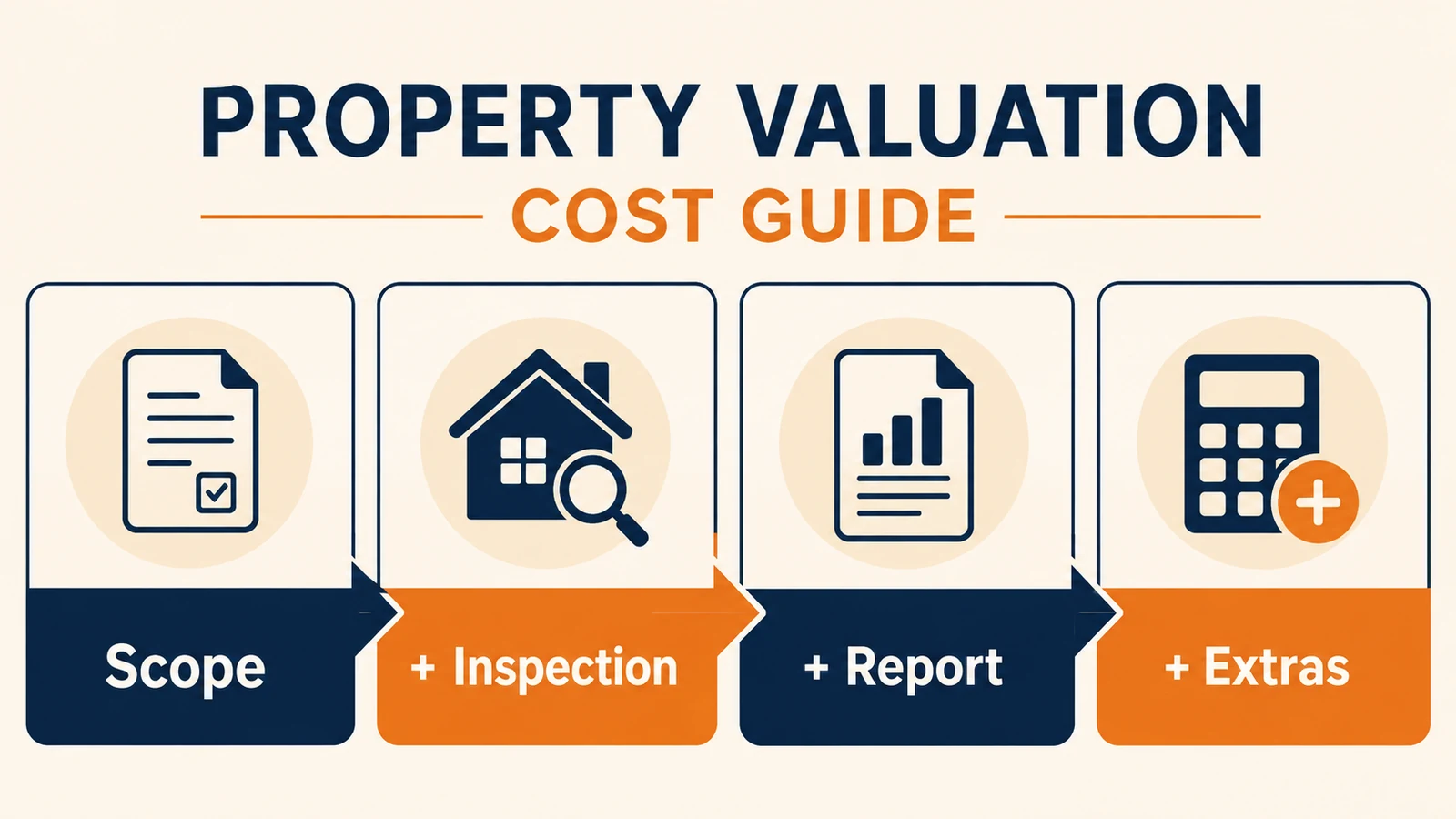
A Dutch property valuation does not have one universal price. The total depends on the question being answered, the property and its complexity, the inspection and analysis required, the report format, validation or certification, urgency, travel and any extra work. The only useful comparison is between quotes that cover the same scope. If this is your situation, use the steps below to decide which facts and questions matter for you.
When you compare proposals, include property valuation costs in the total so extra work does not come as a surprise.
TL;DR: compare the work behind the amount
Before comparing prices, write down:
- The property and interest being valued.
- The purpose and intended report recipient.
- The required inspection, evidence and report format.
- Whether validation, travel, VAT, administration or urgent delivery is included.
- What happens when documents are missing or the scope changes.
Ask each provider for an all-in total with inclusions and exclusions in writing. If one quote is much lower, find out which work sits outside the headline amount. If one is higher, ask which extra evidence or review explains the difference.
When you compare proposals, ask each provider to break down property valuation quotes into scope, timing and total cost.
Three quote situations
Standard residential assignment
The work may include intake, document review, a property inspection, market evidence, analysis and a written report. Ask whether the quoted amount includes VAT, travel, administration and any required validation. The property purpose still matters: a report for a lender may have a different route from a private planning estimate.
Specialist or complex property
A listed building, mixed-use property, leasehold interest, unusual construction or incomplete file can require more research and explanation. A provider may need specialist knowledge, additional documents or more time with the intended user. The higher cost is meaningful only when the quote names the additional work.
Urgent or recipient-specific assignment
A short deadline may limit availability and create a rush charge. A lender, court or public body may require a specific form, standard, validation route or date. Confirm those conditions before asking for a fast report, because speed does not solve a mismatch with the recipient.
What the fee pays for
Scope and intake
The first cost block is defining the assignment. It includes identifying the property, purpose, interest, intended user, valuation basis and relevant date. A vague instruction creates rework later because the professional may need to ask new questions or amend the report.
When you compare fees, ask what each quote covers and compare the work in your own brief with the scope of an Eindhoven valuation practice.
Inspection and document review
The provider must understand the physical property and the documents that describe it. Time can include travel, inspection, measuring or checking supplied information. Ask whether a second visit or additional research is charged separately.
Market and technical analysis
The analysis may require comparable transactions, rental or income information, planning context, land or tenure details and specialist evidence. Commercial property can require a different method from an ordinary home. A quote should state enough about the assignment to show what research is included.
Report and quality control
The written report turns the work into a conclusion that another person can use. Ask who prepares it, who reviews it, what report model applies and whether corrections or follow-up questions are included. A report that cannot be used by the intended recipient may create a second cost even when the original work was competently done.
Validation, administration and extras
Validation, certification, registry work, translation, additional property interests, travel or urgent delivery may be separate. Never infer inclusion from a short phrase such as “full report”. Ask for a line-by-line explanation.
What changes the total
Property type and complexity
A standard home is usually easier to scope than a mixed-use building, property with a business element, land interest, listed building or unusual construction. Complexity affects inspection, comparable evidence, assumptions and the report explanation.
Purpose and recipient
A mortgage, sale, inheritance, division, dispute or internal planning question can call for different evidence. The report recipient may set requirements that add validation or a prescribed model. The price should reflect the actual use, not a generic label.
Location and travel
A remote address, multiple locations or a property outside a normal working area may add travel or scheduling time. Separate the travel charge from the market research question so you know what you are paying for.
Information quality
Missing plans, contradictory measurements, unclear ownership or incomplete renovation records create extra work. Supplying the right documents before the appointment can reduce avoidable administration, but it cannot remove specialist analysis that the assignment genuinely needs.
Turnaround
A short delivery deadline can affect availability and price. Ask for a date the provider can actually meet and specify what must be supplied first. Compare the deadline with the recipient’s accepted report age, not only with your preferred date.
How the structure looks in practice
Imagine three quotes for the same home. Provider A lists inspection and report but excludes validation. Provider B includes validation but limits follow-up questions. Provider C includes a broader document review because the property has a leasehold issue. The amounts cannot be compared until those differences are put beside one another.
A simple comparison is:
- Included work: intake, inspection, documents, analysis, report and review.
- Separate charges: validation, travel, urgency, translation, extra visit and additional interests.
- Conditions: complete file, access, accepted report format and payment terms.
- Outcome: report type, delivery date and named recipient.
This structure exposes the reason behind a price difference without assuming that one provider is better.
Compare quotes on the same scope
Ask every provider:
- What is the total including VAT?
- Which property interest and purpose are covered?
- Is travel included?
- Is validation required and included?
- Which report format will I receive?
- Who is the intended user?
- What is the standard turnaround?
- What happens if a document is missing?
- What extra work can change the amount?
- How long is the quote valid?
Reduce avoidable cost without cutting necessary work
Prepare the address, ownership details, plans, renovation information, lease or VvE documents and the recipient’s requirements before requesting quotes. State the purpose in the first message. Ask one provider to explain its inclusions before you compare several headline amounts.
Do not remove a required inspection, validation or specialist review just to reach a lower price. That can turn a cheap report into an unusable one. The better saving is preventing rework by giving every provider the same complete brief.
FAQ about valuation costs
What is normally included in a valuation fee?
It may include intake, inspection, research, analysis and a report. VAT, travel, validation, urgent delivery and extra questions vary, so the quote must say what is included.
Why can two quotes differ so much?
The providers may be pricing different purposes, property complexity, evidence, report formats or deadlines. Compare the scope before comparing amounts.
Is a fixed price always safer?
A fixed price makes budgeting easier, but you still need to know what happens when the file changes. Read exclusions and additional-work conditions.
Should I ask for three quotes?
Several comparable quotes can reveal scope differences and market practice. More quotes do not help when every provider receives a different brief.
Can a cheaper report be accepted by a lender?
Possibly, but price does not determine acceptance. Ask the lender or adviser which report, age, validation and independence requirements apply before ordering.
Beste Taxateur helps you compare what a valuation quote actually covers, from the assignment and inspection to the report and possible extras. The provider and report recipient determine the final scope and acceptance.
Ask a question about valuation costs